Can a public company buy a private company?
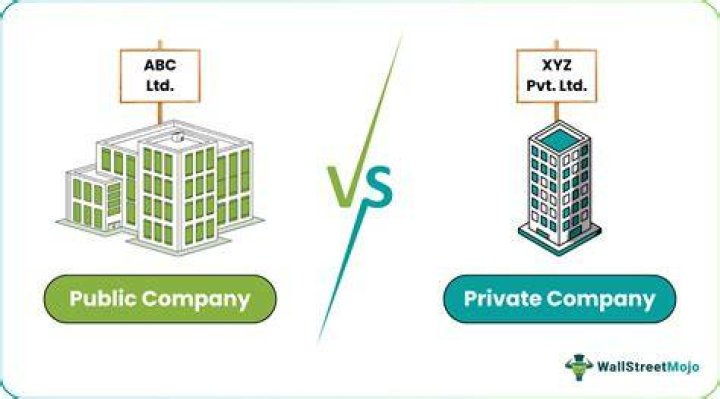
A public company can transition to private ownership when a buyer acquires the majority of it shares. This public-to-private transaction effectively takes the company private by de-listing its shares from a public stock exchange.
Does PE invest in public companies?
Private equity is an alternative investment class and consists of capital that is not listed on a public exchange. Private equity is composed of funds and investors that directly invest in private companies, or that engage in buyouts of public companies, resulting in the delisting of public equity.
What happens when a company is bought by a private equity firm?
When a public company is bought by a PE firm, the firm is essentially buying the shares of that company usually at a higher price than the current one. Existing retail shareholders usually do not represent enough votes to impact the decision. So, their shares are redeemed at the offer price if they hold on until the close.
Can a private company buy out a public company?
And in fact, the liquidity of investors’ holdings in a privatized company varies, depending on much of a market the private equity firm wants to make—that is, how willing it is to buy out investors who want to sell. In some cases, private investors may easily find a buyer for their portion of the equity stake in the company.
Why do private investors buy publicly traded companies?
Private investors will sometimes buy a publicly traded company, either seeing it as a solid, long-term investment that they can get at a good price or planning to make changes to make the company more profitable, sometimes even planning to resell it or again take it public in the future.
What’s the difference between private equity and public equity?
All companies need capital to run their business and the offering of private equity helps companies grow. Often, a private equity deal is done with the intention of the company someday going public. However, starting out as a private company gives management latitude to make distributions and manage equity at their discretion.
