Can Medicare Part B premiums be deducted from income tax?
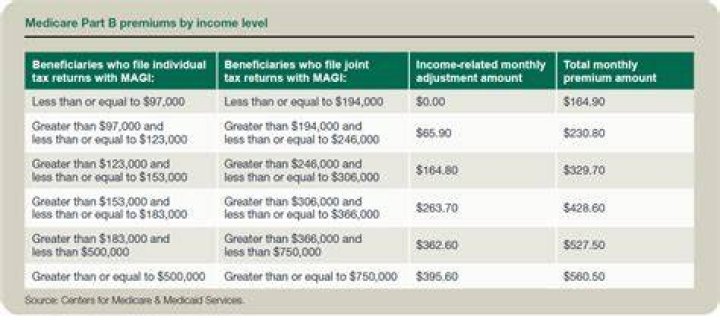
If you do pay a Part A premium and aren’t getting Social Security benefits, you can deduct the premium. Part B premiums. Part B premiums are tax deductible as long as you meet the income rules.
Do Medicare premiums reduce taxable income?
Your Medicare and Medigap premiums can be deducted from your taxes as a below the line deduction. This requires you to itemize the premiums. If they, along with your other medical costs, exceed 7.5% of your Adjusted Gross Income (AGI), you qualify for the deduction.
Do Medicare recipients receive a 1095?
Medicare is sending a Form 1095-B to people who had Medicare Part A coverage for part of . The Affordable Care Act requires people to have health coverage that meets certain standards, also called qualifying health coverage or minimum essential coverage.
Why am I getting taxed for Medicare?
As part of your overall payroll taxes, the federal government requires employers to collect the FICA (Federal Insurance Contributions Act) tax. Social Security taxes fund Social Security benefits and the Medicare tax goes to pay for the Medicare Hospital Insurance (HI) that you’ll get when you’re a senior.
Do you pay Medicare taxes on your paycheck?
If you are currently working and receiving Social Security benefits, you will still have the Medicare payroll tax taken from your paycheck. Your employer automatically deducts your Medicare liability from your taxable income.
Do you have to pay premiums for Medicare Part A?
A:Part A is free if you or your spouse has worked and paid taxes to Medicare for at least 40 quarters (10 years). If you do not have enough working quarters, you will have to pay a premium for Part A. Part B always has monthly premium. If you have a Medigap or Part D plan you may have pay a monthly premium for these as well.
Is there an income limit for Medicare payroll tax?
Unlike the Social Security tax which currently stops being a deduction after a person earns $137,000, there is no income limit for the Medicare payroll tax. If you are self-employed, you are required to pay both the employee and employer tax for Medicare.
What is the Medicare lump sum tax rate?
The amount of the lump sum A payment you receive included in taxable income, and Medicare Levy of 2% is applied to the whole amount, so the maximum rate of tax you can pay on a lump sum A payment is 32%. If you receive a lump sum D payment it is not included on your tax return at any label.
