Can You reinvest the profit from the sale of an investment property?
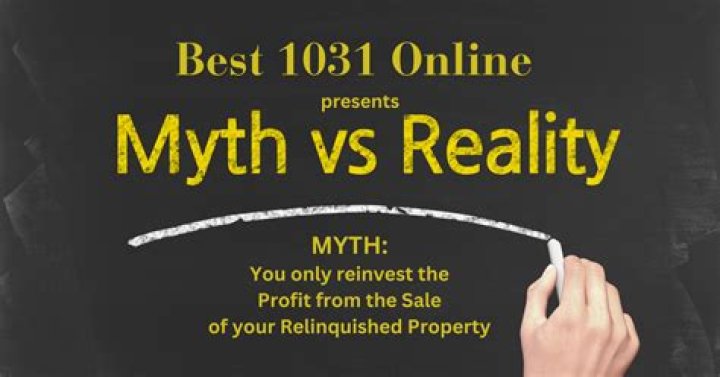
Selling an investment property can leave you with a large tax bill, especially if you make a significant profit. You can avoid the tax by reinvesting the profit from the sale. It’s important to act in a timely manner.
What’s the best way to reinvest rental income?
3 Available Solutions to Reinvest Rental Income. 1. Buy additional properties 2. Invest in REITs 3. Upgrade existing rentals . Purchasing a New Investment Property. The proceeds that are retained each year after taxes could be used as a down payment for a new property. The success that one property achieves could be mirrored with another home.
How long do you have to sell your rental property to reinvest?
The IRS gives you 45 days to find the property and six months to close the deal. If you plan to reinvest, it’s a good idea to begin searching for another home before selling your rental property since you are racing against the clock.
Can a rental property be converted to an investment property?
Converting the Property. If you rented out your property when you bought it, but if you then live there for two years before you sell it, you can claim a portion of this exclusion if you owned the property for at least five years. Your exclusion is reduced by the amount of time the home served as an investment property.
How long do you have to reinvest capital gains from a property?
In order to take advantage of this tax loophole, you’ll need to reinvest the proceeds from your home’s sale into the purchase of another “qualifying” property. This reinvestment must be made quickly: If you wait longer than 45 days before purchasing a new property, you won’t qualify for the tax break.
How much can you reinvest in a house to avoid taxes?
However, if you used the house as your primary residence and meet certain other requirements, you can exempt up to $250,000 of the gain from tax ($500,000 if you’re married), regardless of whether you reinvest it. Subsequently, question is, how can I avoid capital gains tax on home sale? 1031 exchange.
How does an instalment contract for real estate work?
The seller of the property technically sells the property to the intermediary for an instalment contract, a 0% down loan with payments over the next 30 years. The intermediary then resells the property to the buyer (already found by the seller) at the same price that they paid for the property.
What to do with proceeds from sale of rental property?
One popular option for real estate investors is to reinvest the profits generated by the sale of one rental property to fund another acquisition. A 1031 real estate exchange enables you to roll the proceeds of one sale into a similar investment opportunity.
How long do I have to reinvest proceeds from the sale of a?
In order to take advantage of this tax loophole, you’ll need to reinvest the proceeds from your home’s sale into the purchase of another ‘qualifying’ property. This reinvestment must be made quickly: If you wait longer than 45 days before purchasing a new property, you won’t qualify for the tax break.
How are capital gains taxed when selling a rental property?
Selling rental properties can earn investors immense profits, but may result in significant capital gains tax burdens. There are various methods of reducing capital gains tax, including tax-loss harvesting, using Section 1031 of the tax code, and converting your rental property into your primary place of residence.
Do you have to pay taxes when you sell an investment property?
Selling an investment property can leave you with a large tax bill, especially if you make a significant profit. You can avoid the tax by reinvesting the profit from the sale.
What’s the best way to sell an investment property?
In many ways, the steps to selling an investment property are the same as selling a home where you live: You hire a listing agent who will market your property on realtor.com® and start bringing in potential buyers.
How to reinvest proceeds from second home sale?
To make this work, you will have to invest the money you make in another similar property according to the rules of the exchange. Sell your property and allow an escrow agent to receive the money from the sale. At this time, you do not have to immediately reinvest the money from the sale to qualify for the tax break.
