Do I want federal income tax withheld from disability?
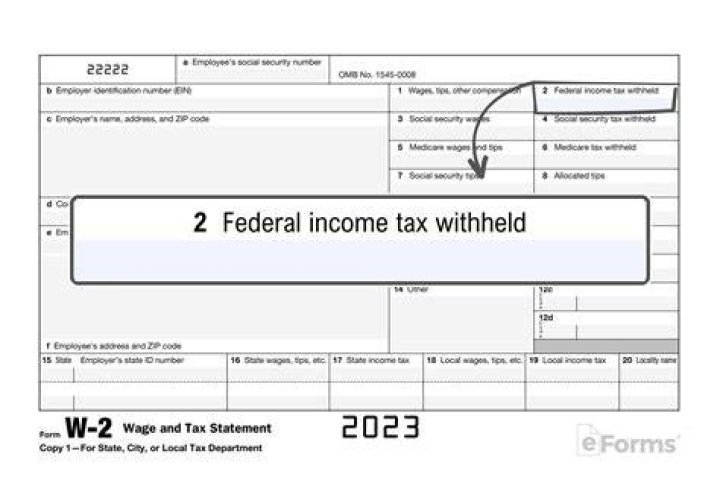
SSI payments are not taxable. SSDI benefits, like other Social Security income, must be reported on your tax return. Whether you pay tax on those benefits depends on your total income and benefits for the year.
How much federal tax Should I withhold from my disability check?
You can have 7, 10, 12 or 22 percent of your monthly benefit withheld for taxes. Only these percentages can be withheld. Flat dollar amounts are not accepted. Sign the form and return it to your local Social Security office by mail or in person.
Are taxes deducted from long term disability payments?
Is Long Term Disability Insurance Tax Deductible? You cannot deduct long-term disability insurance premiums from your personal income taxes. Long-term disability insurance is often confused with medical insurance, which is tax-deductible. Long-term disability premiums are not considered a medical expense by the IRS.
How is tax withheld on disability benefits?
How is tax withheld on disability benefits? Whether your disability income comes from the SSA or an insurance policy, you can ask to have federal (and possibly state) income taxes withheld. For SSDI, you can ask the SSA to withhold taxes when you first apply, or by completing Form W-4V and selecting a withholding rate of 7%, 10%, 12% or 22%.
How can I avoid paying taxes on my disability income?
If you receive disability benefits from an insurance company, you can ask the company to withhold federal income tax by filling out Form W-4S. Having tax withheld from your monthly payment may help you avoid a tax bill come Tax Day.
Do you have to pay tax on SSDI benefits?
Whether you pay tax on those benefits depends on your total income and benefits for the year. You may have to pay federal income tax on your SSDI benefits if the total of half of all your SSA benefits, other than SSI, plus all your other income (including tax-exempt interest) is greater than the base amount for your filing status.
What is the tax rate for Social Security disability?
Any disability income that is taxable will be taxed at your ordinary marginal rate (which, for most people, is between 10% and 28%). If some of your lump sum turns out to be taxable, you can deduct the fee paid to your attorney from your disablity benefit income, but only on a pro rata basis.
