How long can the IRS take to review your taxes?
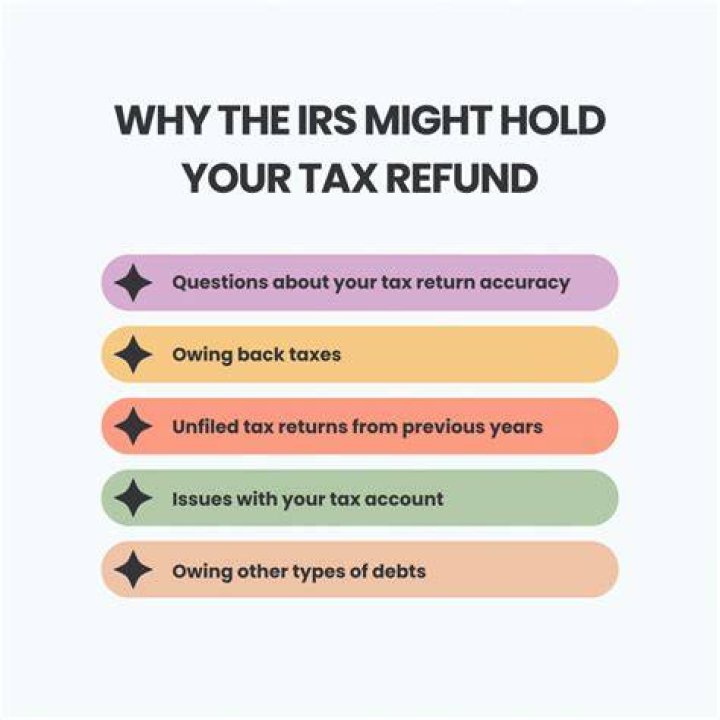
We issue most refunds in less than 21 calendar days. It is taking the IRS more than 21 days to issue refunds for some 2020 tax returns that require review including incorrect Recovery Rebate Credit amounts, or that used 2019 income to figure the Earned Income Tax Credit (EITC) and Additional Child Tax Credit (ACTC).
How far does IRS go back for audit?
three years
Generally, the IRS can include returns filed within the last three years in an audit. If we identify a substantial error, we may add additional years. We usually don’t go back more than the last six years. The IRS tries to audit tax returns as soon as possible after they are filed.
Why is my return being reviewed?
According to the IRS website, a number of distinct factors can trigger the review, including the need to verify the following entries on your return: Income is not overstated or understated. Tax withholding amounts are correct. You have the right to claim the tax credits on your return.
What is qualified business income according to the IRS?
The Internal Revenue Service (IRS) defines qualified business income as net business income, not including capital gains and losses, certain dividends, or interest income.
What does QBI stand for on a tax return?
QBI is the net amount of qualified items of income, gain, deduction and loss from any qualified trade or business, including income from partnerships, S corporations, sole proprietorships, and certain trusts.
When does a business qualify for a tax deduction?
That said, not every eligible business automatically qualifies for the deduction. In particular, some types of service businesses (SSTBs) are disqualified once the taxable income on the return exceeds $213,300 ($426,600 if filing jointly). What’s an SSTB?
What is the QBI deduction for small business?
With the QBI deduction, most self-employed taxpayers and small business owners can exclude up to 20% of their qualified business income from federal income tax (but not self-employment tax) whether they itemize or not. The deduction amount depends on the taxpayer’s total taxable income,…
