What are the benefits of Married Filing Separately?
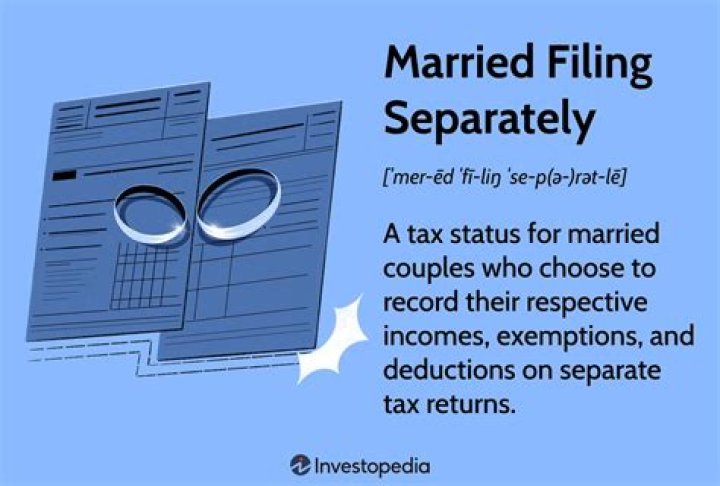
The Benefits of Married Filing Separately The tax-filing status known as married filing separately means that you and your spouse each report income and deductions, credits and exemptions on separate tax returns.
Is it better for a couple to file jointly or separately?
A joint return makes sense for most married couples, around 95% of couples decide to file jointly because it tends to result in a lower tax bill and easier filing. There are also a handful of benefits and deductions that couples may forfeit when filing separately:
Can a married couple file a separate tax return?
Taxpayer B has a valid SSN, but Taxpayer A does not qualify for an SSN. Instead, the Taxpayer A has an Individual Taxpayer Identification Number (ITIN) which was provided by the IRS for tax filing purposes. They are each required to file for 2007 and filed separate tax returns, both using the filing status Married Filing Separately.
Can a married couple file for social security separately?
No. There is a special “gotcha” that says that if you are married and live together, then if you file separately, the person receiving SS MUST consider that as gross income when deciding whether to file, and 85% of their SS benefit is immediately taxable. So, if you don’t pay it she will have to.
What happens when a spouse passes away and you file separately?
If your spouse passes away, you may use either the married filing jointly or filing separately status for the tax year of your spouse’s death. After that, eligible surviving spouses may use the qualified widow (er) status if they have one or more qualifying dependents. Income requirements for married filing separately
With married filing separately, you each file a separate return listing only your own income and deductions. You must include your spouse’s name and SSN but not their income information. (A spouse’s income may be asked to determine eligibility for ACA credits but is not part of your tax return.)
What are the challenges of Married Filing Separately?
The Challenges of Married Filing Separately. The fundamental problem with married filing separately is that the tax code is set up specifically to discourage it. When you file separately, you lose certain benefits. IRA contributions are a major example (2020 tax year figures):
What’s the tax bracket for a married couple filing separately?
The income tax brackets for married separate filers are half that of a married couple that files jointly, the 37% tax bracket kicks in at $300,000 (2018) for married filing separately vs. $600,000 (2018) for filing jointly.
When do you have to file a separate tax return if you are married?
If you and your spouse do not agree to file a joint return, then you must file separate returns, unless you are considered unmarried by the IRS and you qualify for the Head of Household filing status.
How can I claim Married Filing Separately on my tax return?
You can claim the Married Filing Separately filing status when you prepare your tax return on Form 1040. You will need to enter your spouse’s full name and your spouse’s SSN or ITIN in the spaces provided on the form. It is easy to file as Married Filing Jointly on efile.com.
When do married couples decide to file jointly or separately?
Married couples should decide whether to file either jointly or separately when they file their original tax return for the year, but they can change their minds and switch from two separate returns to a single joint return within three years from the due date of the original return, not counting any extensions.
What happens if my spouse filed ” single ” and I filed?
If you lived together in 2017 and file separately then *you* are required to put half if her community income on *your* tax return and she must do the same on her separate return. That is one of the hazards of filing separately in a community propriety state.
