What are the two types of Judgement in court?
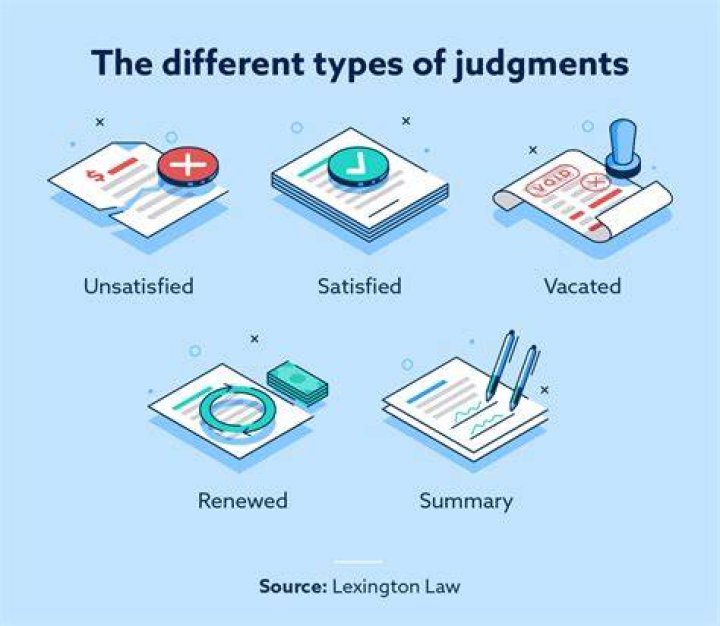
This judgment is of two kinds, namely, interlocutory or final.
What is the person accusing someone in court called?
Accused: formally charged but not yet tried for committing a crime; the person who has been charged may also be called the defendant. Acquittal: a judgment of court, based on the decision of either a jury or a judge, that a person accused is not guilty of the crime for which he has been tried.
What is a judge’s Judgement called?
In law, a judgment, also spelled judgement, is a decision of a court regarding the rights and liabilities of parties in a legal action or proceeding. Judgments also generally provide the court’s explanation of why it has chosen to make a particular court order.
What does the judge sit on?
The judge usually sits at the front of the courtroom on the bench. The judge’s name is often on a sign near the bench. The judge does many things.
What happens when you get a judgment from a court?
Armed with the judgment, the holder of the debt, called a “judgment creditor,” can take legal steps to seize the amount. It can also charge interest at a court-approved rate, typically in the range of 5 percent to 10 percent, until you pay up. But the bang of the gavel may not be final.
What happens if I ignore a default judgment?
Updated February 08, 2019. Before a person or a company to whom you owe money can win a judgment against you, they must first file a lawsuit in court. If you ignore the lawsuit, the court will enter an automatic judgment against you, known as a default judgment. Of course, even if you file an answer to the lawsuit, you can still lose the case.
How does a judgment work in a debt collection case?
In a debt collection case, the judgment is a court’s decision that you owe a specific sum of money. Armed with the judgment, the holder of the debt, called a “judgment creditor,” can take legal steps to seize the amount. It can also charge interest at a court-approved rate, typically in the range of 5 percent to 10 percent, until you pay up.
Can a company win a judgment against you?
Updated February 08, 2019. Before a person or a company to whom you owe money can win a judgment against you, they must first file a lawsuit in court.
