What are the two types of tax exemptions?
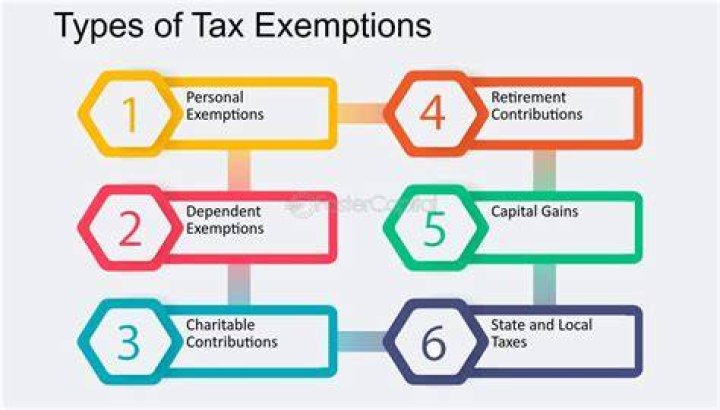
There are two types of exemptions-personal and dependency. Each exemption reduces the income subject to tax.
What is the tax rate on UBIT?
37%
Thanks to President Trump, the 2019 Unrelated Business Income Tax (UBTI or UBIT) rate is 37%. This is the same as 2018. The UBTI tax is not a widely known tax because it generally only applies to tax-exempt organizations.
Is there a limit on unrelated business income?
More In File An exempt organization that has $1,000 or more of gross income from an unrelated business must file Form 990-T PDF. An organization must pay estimated tax if it expects its tax for the year to be $500 or more.
What is the difference between standard deduction and exemption?
A personal exemption is the amount by which is excluded your income for each taxpayer in your household and most dependents. The standard deduction is the amount that you get to subtract from your taxable income. In other words, the amount of your deduction is initially included in your income.
What are the tax requirements for unrelated business?
Estimated tax. Electronic Deposit Requirement. Depositing on time. Same-day wire payment option. Timeliness of deposits. Trade or business. Regularly conducted. Not substantially related. Selling of products of exempt functions. Dual use of assets or facilities.
Can a tax exempt organization exclude income from unrelated business?
A tax-exempt organization may exclude income from research grants or contracts from unrelated business taxable income. However, the extent of the exclusion depends on the nature of the organization and the type of research.
What are expenses attributable solely to an unrelated business?
Expenses attributable solely to unrelated business. Expenses, depreciation, and similar items attributable solely to the conduct of an unrelated business are proximately and primarily related to that business and qualify for deduction to the extent that they are otherwise allowable income tax deductions.
Can a person own more than one business?
The fact that the two businesses are unrelated doesn’t matter. If the client in question owns a “controlling interest” in the unrelated real estate business, then for purposes of minimum participation and coverage purposes the employees of both businesses must be treated as employed by a single employer.
