What percentage of businesses start as a sole proprietorship?
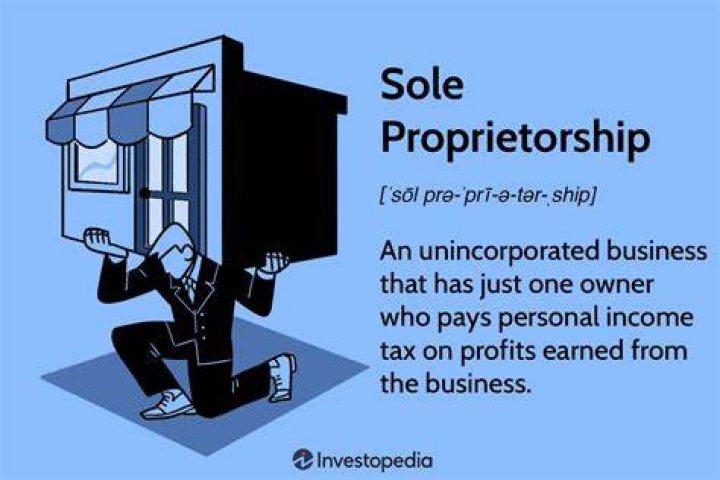
Sole proprietorships comprise the majority of all business forms. According to Census data, 73.1 percent of all businesses were sole proprietorships (20.3 million firms). 13.1 percent of all businesses were S corporations (3.65 million firms), and about 8 percent were partnerships (2.2 million firms).
What is a sole proprietorship intro to business?
A sole proprietorship is the simplest and most common legal structure someone can choose. It’s an unincorporated business owned and run by one individual in which there is no distinction between the business and the owner.
What is the main disadvantage of being a sole proprietorship?
Among one of the biggest disadvantages of a sole proprietorship is unlimited liability. This liability not only spans the business but the business owner’s personal assets. Debt collectors can access your savings, property, cars, and more to see a debt repaid.
What do you need to do to start a sole proprietorship?
The sole proprietorship is the oldest and simplest form of business ownership. To start a sole proprietorship, all you need to do is: Create a business name and decide on a location for your business. File for a business license with your locality, and get permission from your locality if you want to operate your business from home.
Can a sole proprietorship have more than one owner?
It’s a one-person business; your business can’t be a sole proprietorship if it has more than one owner. In a sole proprietorship, you are the business in a sole proprietorship.
Which is the simplest form of sole proprietorship?
A sole proprietorship (also known as individual entrepreneurship, sole trader, and proprietorship) is a type of an unincorporated entity that is owned by one individual only. It is the simplest form of a business entity.
What happens in the case of sole proprietorship?
Death, imprisonment, physical ailment, insanity or bankruptcy of the sole proprietor will directly affect the business or it may cause shutting down of the business. In the case of the beneficiary, successor or legal heir of sole proprietor, he can run the business on behalf of the proprietor. You might want to know: What is Entrepreneurship?
